Power of Attorney in Malaysia: Its Role in Your Legacy
Signing a will may seem simple, but in Malaysia, the smallest mistake can make the entire document invalid. Whether you are preparing your first will or updating an existing one, understanding the correct signing process is essential. This guide explains the legal requirements under Malaysian law, the role of witnesses, the signature rules, and the common errors that often lead to disputes.
If you prefer expert guidance, you may also refer to our professional will writing services for a compliant, carefully drafted will that meets all legal standards.
TL;DR: A will in Malaysia is only valid when it’s signed at the end of the document in front of two qualified witnesses who also sign in your presence. Beneficiaries cannot act as witnesses, and digital signatures are not allowed. Proper signing prevents disputes and ensures your wishes are legally recognised.

1. Why the Will Signing Process Matters in Malaysia
Many of Malaysians believe that writing a will is enough, but the truth is this:
A will only becomes legally valid when it is signed correctly – by the testator and the witnesses — following the exact rules under the Wills Act 1959.
A properly signed will ensures:
Your wishes are followed
Your assets are distributed smoothly
Your family avoids unnecessary disputes
Your estate avoids delays during probate
In fact, incorrect signing is one of the top reasons Malaysian wills are rejected in court. That is why understanding how to sign a will correctly in Malaysia is crucial for anyone planning their estate.
2. Legal Requirements for Signing a Will in Malaysia
Actually, to ensure your will is recognised as valid under Malaysian law, the signing process must meet these criteria:
✔ The testator must sign at the end of the will
Your signature should appear at the bottom of the main content. This helps prevent allegations that additional pages were added later.
✔ The signature must be made voluntarily
You must sign the will free of pressure, influence, or coercion.
✔ The signature must be intended to execute the will
Your signature must show clear intention that you are confirming the document as your will.
✔ Two qualified witnesses must be present
This is the most important legal requirement. Both witnesses must:
Be physically present when you sign
See you sign the will
Sign the will in your presence
Both witnesses must also sign on the same document, usually on the final page.
Remember, for those drafting their wills for the first time, our article on how to write a will in Malaysia provides deeper guidance on legal terminology and structure.
3. Who Can Sign and Witness Your Will?
While the testator can be anyone aged 18 and above (non-Muslim), the witnesses must follow strict rules.
Persons allowed to witness your will:
Any competent adult aged 18 and above
Malaysian citizen or permanent resident (recommended, but not legally mandatory)
Sound mind and capable of understanding their role
Must not be a beneficiary of the will
Persons who CANNOT witness your will:
Beneficiaries named in your will
Beneficiary’s spouse
Anyone who stands to gain from the will
Persons lacking mental capacity
Persons not physically present during signing
If your beneficiary signs as a witness, the will may still remain valid, but that beneficiary will lose their entitlement. Many Malaysians are not aware of this rule, which is why professional guidance is so important when preparing a will.
4. How to Sign a Will Correctly: Step-by-Step Process
Here is the proper procedure for signing a will in Malaysia, including the witnessing sequence:
Step 1 – Gather your witnesses
Ensure both witnesses are present at the same time. They must understand their role and confirm they are not beneficiaries.
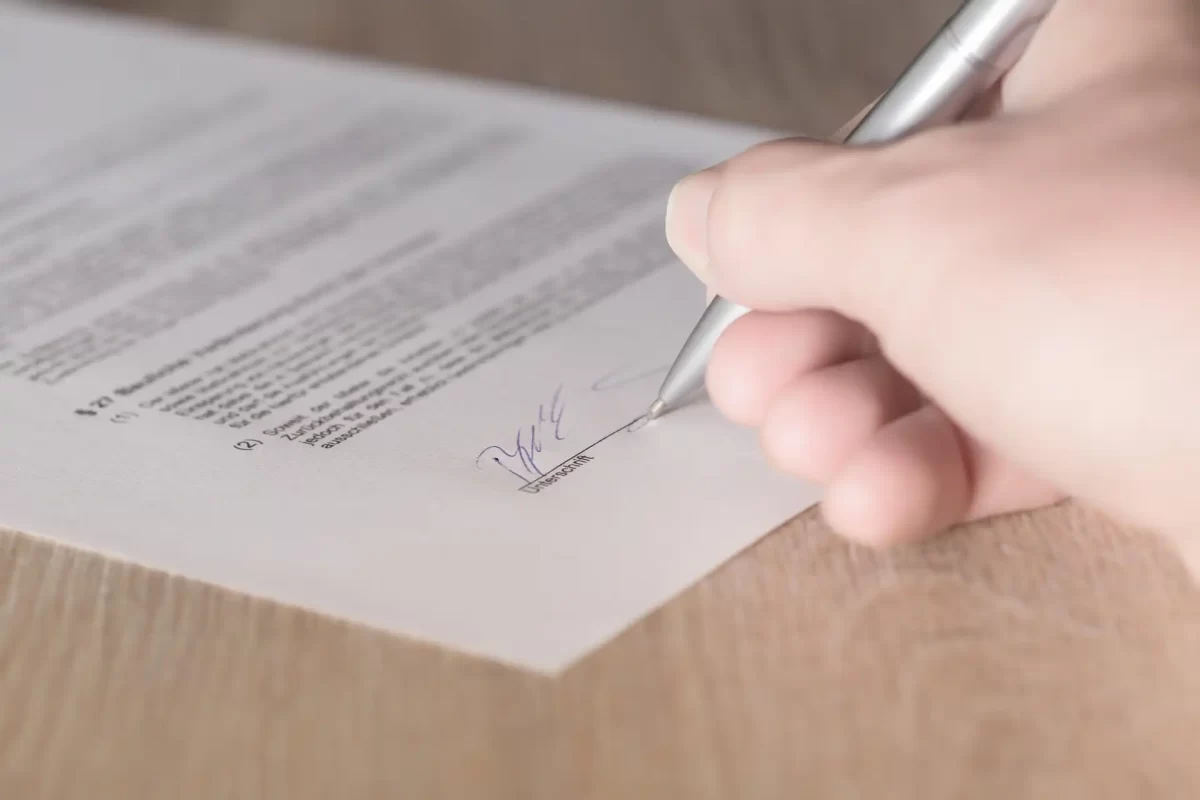
Step 2 – Sign the will in front of the witnesses
- You (the testator) must sign the will before they do.
- Your signature should appear at the end of the document.
Step 3 – Witnesses sign immediately after you
They must sign:
In your presence
On the final page (and, ideally, initial other pages)
Step 4 – All parties acknowledge the signing
The witnesses acknowledge that:
They saw you sign
They are signing voluntarily
They understand they are not beneficiaries
Step 5 – Safely store the signed will
A signed will must be stored in a secure place. Many families lose their wills or damage them by accident.
To avoid this risk, our will custody service protects original documents from theft, loss, or fire.
5. Are Digital Signatures Valid for Wills in Malaysia?
Answer is – No. Actually, under the Wills Act 1959, digital signatures, electronic signing platforms, or scanned signatures are NOT valid for wills.
Your will must be physically signed in ink by both the testator and the witnesses.
This means:
No e-signature
No DocuSign
No scanned copy
No electronic witnessing
Only handwritten, original signatures are accepted in Malaysian courts.
6. Common Signing Mistakes That Can Invalidate a Will
The truth is, even a small errors, eventually can make a will invalid or open it to legal challenge. Below are the most frequent/common mistakes Malaysians make:
❌ Witnesses are beneficiaries or related to beneficiaries
This is the #1 error. A beneficiary cannot witness a will.
❌ Witnesses sign at a different time
All signatures must occur in each other’s presence. Signing separately invalidates the witnessing.
❌ Missing initials on supporting pages
If pages can be altered, the court may question authenticity.
❌ Using correction fluid, edits, or handwritten notes after signing
Any changes after signing must be re-witnessed.
❌ Testator signs at the top or mid-document
The signature must be at the end to certify the contents.
❌ Digital or electronic signatures
Not recognised under Malaysian law.
❌ Using only one witness
Two witnesses are mandatory.
At some point, If you uncertain, our writing a will in Malaysia guide explains the proper process in detail.
7. What Happens If a Will Is Not Signed Properly?
Most importantly, if your will is incorrectly signed or witnessed, the consequences may include:
⚠ The will is declared invalid
The court may decide it cannot be accepted for probate.
⚠ Your estate falls under intestacy rules
Distribution will follow the Distribution Act 1958 — not your wishes.
⚠ Beneficiaries may lose entitlement
Especially if they incorrectly act as witnesses.
⚠ Family disputes may arise
Unclear wills are the biggest cause of estate-related conflict.
⚠ Probate delays
An improper signature can extend probate by months or years.
Ultimately, this is why Malaysians increasingly choose a trust company to handle their will writing, ensuring proper signing, witnessing, and custody.
8. Should You Update or Re-Sign Your Will?
You should consider re-signing or updating your will if:
You got married or divorced
You purchased property
You started a business
You had a new child
Your beneficiaries changed
Your witness is now deceased
You want to add new instructions
Every update requires a new signature and new witnesses.
Alternatively, a codicil (amendment) may be used, but it must also follow the same signing rules as a will.
9. How CNB Amanah Ensures Your Will Is Signed Correctly
CNB Amanah follows a structured process to ensure your will meets all legal requirements, including:
✔ Confirming your identity and capacity
✔ Ensuring the will reflects your intentions
✔ Providing qualified, impartial witnesses
✔ Conducting the signing session in accordance with law
✔ Verifying signatures and initials
✔ Securing the original will in professional custody
Our team ensures that the document is valid, clearly drafted, properly witnessed, and stored safely – preventing future disputes or loss.
For a complete overview, explore our will writing services and how we help protect your estate.
10. Key Takeaways: How to Sign a Will Correctly in Malaysia
A will is only valid when signed according to legal requirements
Two qualified witnesses must be present during the signing
Witnesses cannot be beneficiaries or spouses of beneficiaries
Digital signatures are not accepted
Any updates must be re-signed with witnesses
Proper storage is essential to avoid loss or tampering
In summary, a correctly signed will ensures your wishes are respected, your loved ones are protected, and your estate moves smoothly through probate.
If you need guidance drafting or reviewing your will, CNB Amanah offers professional support throughout the entire process.
Disclaimer: This article is provided for general informational purposes only and does not constitute legal, tax, financial, or professional advice. Each person’s circumstances, family structure, assets, and estate planning objectives may be different. Will writing requirements, trust arrangements, and document safekeeping matters may also vary depending on individual needs and applicable Malaysian law. Readers who require personalised guidance on will writing, trust services, or secure document custody should consult a qualified professional or a licensed trust company in Malaysia.