

He Sold His Company for RM100 Million. But He Didn’t Want His Children to Receive the Money Too Early
A lost original will is more than a paperwork problem. In Malaysia, when a testator’s signed original will goes missing, it can complicate how an estate is administered, delay access to assets and leave families uncertain about what happens next.
Many people assume a copy, photo or scanned will is automatically enough for probate. Usually, additional evidence and legal procedures are required. However, a missing original does not necessarily mean the will is invalid or that the deceased’s wishes cannot be established.
The important questions are not only “What did the will say?” and “Where is the original?” but also whether the will can be proved under the applicable Malaysian probate rules.
Key Takeaways
- The signed original will is normally important for probate in Malaysia. However, Sections 25 and 26 of the Probate and Administration Act 1959 allow a copy, draft or established contents to be considered in certain circumstances.
- A missing original may raise questions about whether the will was lost, destroyed or intentionally revoked. It does not automatically mean the estate must be distributed under intestacy rules.
- Families should search carefully, collect available copies and supporting records, and obtain appropriate probate advice before making assumptions.
- Keeping an original will in professional will custody can help reduce the risk of loss and make its location easier for authorised persons to establish.
Why the Original Will Matters More Than a Copy
When a person dies, the court will normally require the original will as part of the application for a grant of probate. The original document provides important evidence of the will’s execution, including the testator’s signature and witness details.
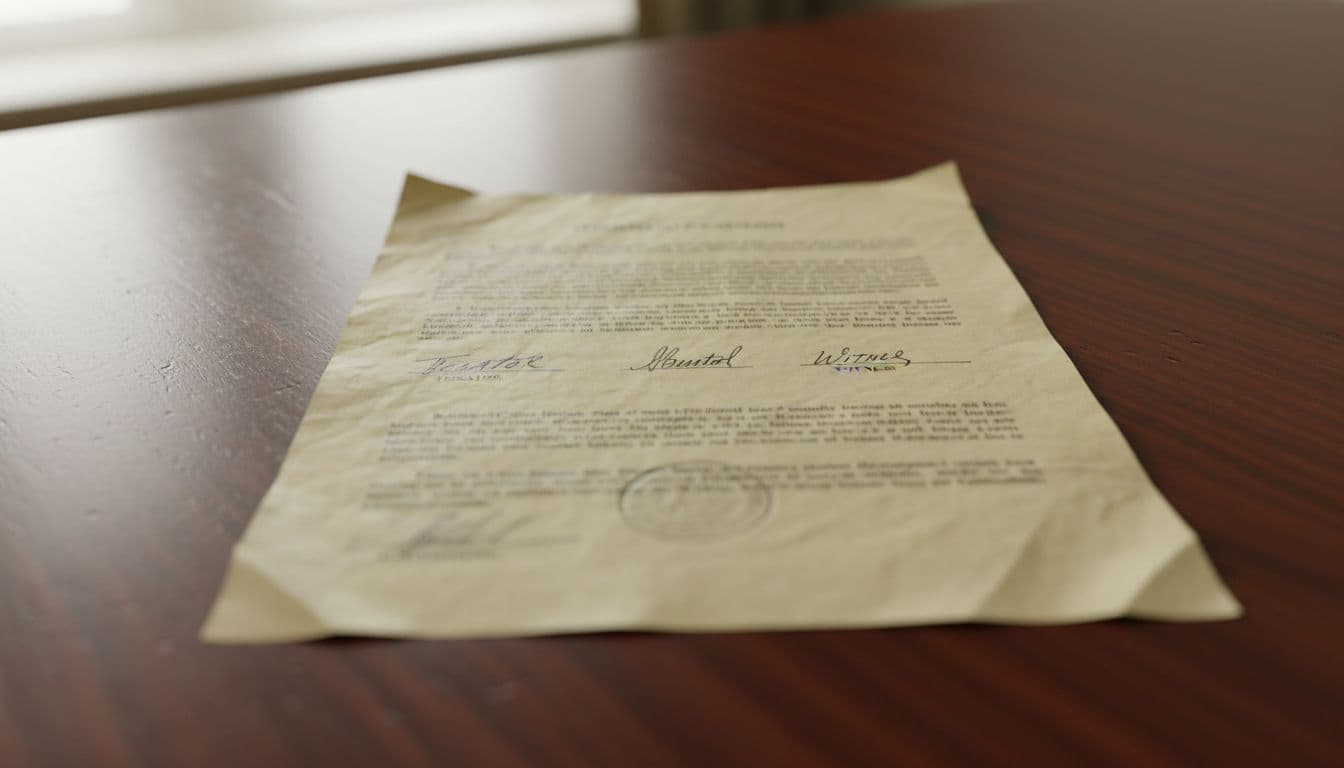
A copy can still be useful. It may show the contents of the will and provide evidence of the deceased’s intentions. However, a photocopy or scan does not automatically replace the original for probate purposes.
This is why secure original will custody in Malaysia is an important part of estate planning. If no one knows where the original was stored, additional investigation and legal steps may be necessary.
Why Courts Treat the Original Will as Important Evidence
The original contains signatures and other details that may help establish whether the document was properly executed and whether it represents the testator’s final intentions.
A photocopy can raise additional questions. Was it complete? Was it the latest version? Was the original subsequently revoked or destroyed?
These questions do not necessarily prevent probate, but they may require further evidence before the court can determine the appropriate outcome.
Important: A copy may help establish what a will contained, but the circumstances surrounding the missing original must also be considered.
What a Missing Original Will Can Mean for the Family
When the original cannot be located, estate administration may become more complicated. Access to bank accounts or transfers of property may be delayed while the appropriate legal authority is obtained.
If family members disagree about the will’s existence or validity, additional evidence and court proceedings may be required.
For executors and beneficiaries, the priority should be to establish the facts before deciding how the estate should be administered.
What Happens When a Lost Original Will Cannot Be Produced in Malaysia?
If the original will cannot be produced, the family may need to establish whether the document was lost, mislaid, destroyed or intentionally revoked.
A missing original will does not automatically result in intestate distribution. Under Malaysian probate law, the court may consider alternative evidence of the will in certain circumstances.

Sections 25 and 26 of the Probate and Administration Act 1959 provide for probate involving a copy, draft or established contents of a will where the relevant statutory conditions are satisfied.
The court may require evidence about the document’s execution, contents, storage history and possible revocation before deciding whether probate can be granted.
When Could Intestate Distribution Apply?
If the court cannot accept or establish a valid will, the estate may ultimately need to be administered under the applicable intestacy rules.
For non-Muslim estates in Peninsular Malaysia, the Distribution Act 1958 may govern how the estate is distributed among entitled family members, subject to the applicable law and circumstances.
Muslim inheritance matters involve different legal and religious requirements, including faraid. The applicable framework should be determined with appropriate professional guidance.
This matters because the beneficiaries and distribution proportions under intestacy rules may differ from the deceased’s intended arrangements.
For further background, read what happens when someone dies without a will in Malaysia.
Why Probate Without the Original Will May Take Longer
Probate without an original will may require additional affidavits, supporting documents and court consideration of how the original went missing.
If the available evidence is insufficient to establish the will, another estate administration procedure may become necessary.
The time involved depends on the evidence, estate circumstances and whether any disputes arise. A missing document does not automatically determine the outcome or duration of the proceedings.
Can a Copy of a Will Be Used for Probate in Malaysia?
Yes, in certain circumstances. A copy or draft may support an application for probate when the original will is unavailable, but it is not automatically accepted simply because the family possesses it.
Section 25 of the Probate and Administration Act 1959 provides for probate of a copy or draft where the statutory conditions are met. It also allows probate of sufficiently established contents in certain circumstances even without a copy or draft.
Section 26 addresses circumstances in which a will has been destroyed otherwise than by the act or with the consent of the testator.
Whether these provisions apply depends on the facts and evidence available.
What Is the Presumption of Revocation of a Missing Will?
Where an original will was last known to be in the testator’s possession but cannot be found after death, the circumstances may raise a rebuttable presumption of revocation.
In simple terms, the question may arise whether the testator intentionally destroyed the will to cancel it.
However, this is not an automatic conclusion in every missing-will case. Evidence about the document’s location, custody and disappearance can be important in determining whether the presumption applies and whether it can be rebutted.
What Evidence May Help Prove a Lost Will?
If the family wishes to rely on a copy, draft or other evidence of the will, relevant supporting material may include:
- A photocopy or scanned version of the signed will
- Information about the testator and witnesses
- Records from the lawyer or professional who prepared the will
- Correspondence concerning the will’s execution
- Evidence showing where the original was stored
- Custody receipts or storage records
- Information about events that may explain how the document went missing
If a law firm or professional custodian was involved, contact them early to check whether the original remains in storage or whether supporting records are available.
Why Proving a Missing Will Can Be Difficult
The court may need to consider whether the original was accidentally lost, destroyed without the testator’s consent or intentionally revoked.
Events such as a fire, flood, relocation or document misfiling may provide relevant context, but explanations should be supported by available evidence.
The outcome depends on the circumstances. Families should obtain probate advice rather than assuming that a photocopy alone will be sufficient.
What Should the Family Do If the Original Will Is Lost?
If you cannot locate a deceased person’s original will, a careful and documented search is an important starting point.
Step 1: Search Likely Storage Locations
Check home filing cabinets, locked drawers, safes, safe deposit boxes, office records and other locations where important personal documents were kept.
Contact the law firm, trust company or professional custodian that may have prepared or stored the will.
Digital records may also help establish dates, names and storage arrangements, even though a scanned copy does not automatically replace the original.
Step 2: Gather Copies and Supporting Records
Record when the will was signed, who witnessed it and where it was last seen.
Collect relevant copies, correspondence, storage receipts, legal documents and any other information that may help establish the will’s history.
Step 3: Consult a Probate Professional
Before assuming the estate must be distributed without a will, obtain advice from a suitably qualified probate professional.
Depending on the circumstances, the next step may involve additional evidence, affidavits or an application to establish the copy, draft or contents of the missing will.
How to Prevent an Original Will From Being Lost
One of the simplest estate planning precautions is to keep the signed original will secure and make sure the appropriate person knows where it can be located.

Keep the Original Will in Safe Custody
A signed will should be stored in a secure and identifiable location where it is protected against loss, accidental damage and unauthorised access.
Some families keep the original with a lawyer or professional custodian, while others use an appropriate secure personal storage arrangement.
CNB Amanah provides will custody services in Malaysia for families considering professional safekeeping of their original wills.
Whatever arrangement you choose, your appointed executor should know how to locate the document and the procedure for obtaining it when legally appropriate.
Review Your Will After Major Life Changes
Marriage, divorce, the birth of children, changes in property ownership and other significant events may affect your estate planning needs.
If you want to change your will, follow the applicable legal requirements. Depending on your circumstances, a properly executed codicil or a new will may be appropriate.
You may also explore professional will writing services when preparing or reviewing your estate planning documents.
When a will is updated, make sure the latest properly executed original is stored appropriately and any necessary custody arrangements are reviewed.
Frequently Asked Questions About Lost Original Wills in Malaysia
What happens if the original will cannot be found in Malaysia?
A missing original will may complicate probate, but it does not automatically mean the estate must be distributed without a will. Sections 25 and 26 of the Probate and Administration Act 1959 provide for probate of a copy, draft or established contents in certain circumstances. The outcome depends on the evidence and applicable legal requirements.
Can a copy of the will be used for probate?
Yes, a copy or draft may support a probate application where the relevant legal requirements are met. The court may need evidence of the will’s contents, execution and circumstances surrounding the missing original. A copy is not automatically accepted without further consideration.
What should the family do immediately after discovering the lost will?
Begin with a thorough search of likely storage locations and contact any lawyer or professional custodian involved. Gather copies, correspondence, witness information and relevant records, then seek appropriate probate advice before making assumptions about the estate.
How can a lost original will be prevented?
Keep the signed original in a secure, identifiable location and ensure the appointed executor knows how to access it when necessary. Professional will custody is one option for organised document safekeeping. Review your custody arrangements when your will or personal circumstances change.
Conclusion
A lost original will in Malaysia can complicate estate administration, but it does not automatically invalidate the deceased’s wishes or require intestate distribution.
Families may still have legal options where sufficient evidence exists to establish the missing will. The practical starting point is to search carefully, collect the relevant records and obtain appropriate professional advice.
For individuals preparing a will, secure storage and clear information about its location are just as important as the drafting process itself.
How CNB Amanah Supports Original Will Safekeeping
CNB Amanah is a licensed trust company in Malaysia providing will writing, will custody and estate planning support.
If you are preparing a new will or reviewing where your existing original is kept, you can explore CNB Amanah’s professional will custody services to understand the available safekeeping arrangements.
You may also contact the CNB Amanah team to discuss will custody requirements or explore suitable estate planning support.
Sources and Reference Note
This article provides general educational information concerning lost original wills, probate and estate administration in Malaysia.
Relevant legal references include Sections 25 and 26 of the Probate and Administration Act 1959, the Wills Act 1959 where applicable, and relevant Malaysian estate administration principles.
The applicable legal requirements may differ according to jurisdiction, religion, the type of estate and individual circumstances.
Professional Disclaimer: This article is provided for general educational purposes only and does not constitute legal, tax, financial or professional advice. Lost will applications, probate requirements, evidence of revocation and estate distribution depend on individual circumstances and applicable Malaysian law. A copy or draft of a missing will is not automatically accepted for probate, and no particular court or estate administration outcome can be guaranteed. Readers should obtain advice from appropriately qualified professionals before making estate planning decisions.