

A lost original will is more than a paperwork problem. In Malaysia, when the testator’s original will goes missing, it can change how an estate is handled, delay access to assets, and leave families stuck when they expected things to be clear.
Many people assume a copy, photo, or scan is enough. Usually, it isn’t. If the signed original of a valid will can’t be found, the court may not treat the estate the way the deceased intended.
That is why this issue matters so much. The key question is not only “What did the will say?” but also “Where is the original?”
Key Takeaways
- The original will is essential for probate in Malaysia; a copy alone is usually insufficient due to the presumption of revocation, potentially leading to intestate distribution under the Distribution Act 1958 for non-Muslims or Faraid for Muslims.
- Without the original, estates face delays, frozen assets, family disputes, and inheritance shifting to legal heirs instead of the testator’s wishes.
- Act fast: conduct a thorough search, gather all copies and evidence like witness statements, and consult a probate lawyer to challenge the presumption.
- Prevent issues by storing the original in safe custody (e.g., with a lawyer or bank), informing family of its location, and reviewing the will after major life changes.
Why the original will matters more than a copy
When a person dies, the court usually wants the original will before granting grant of probate. That original will is the strongest proof that the will was properly signed and witnessed, and kept as the final version.
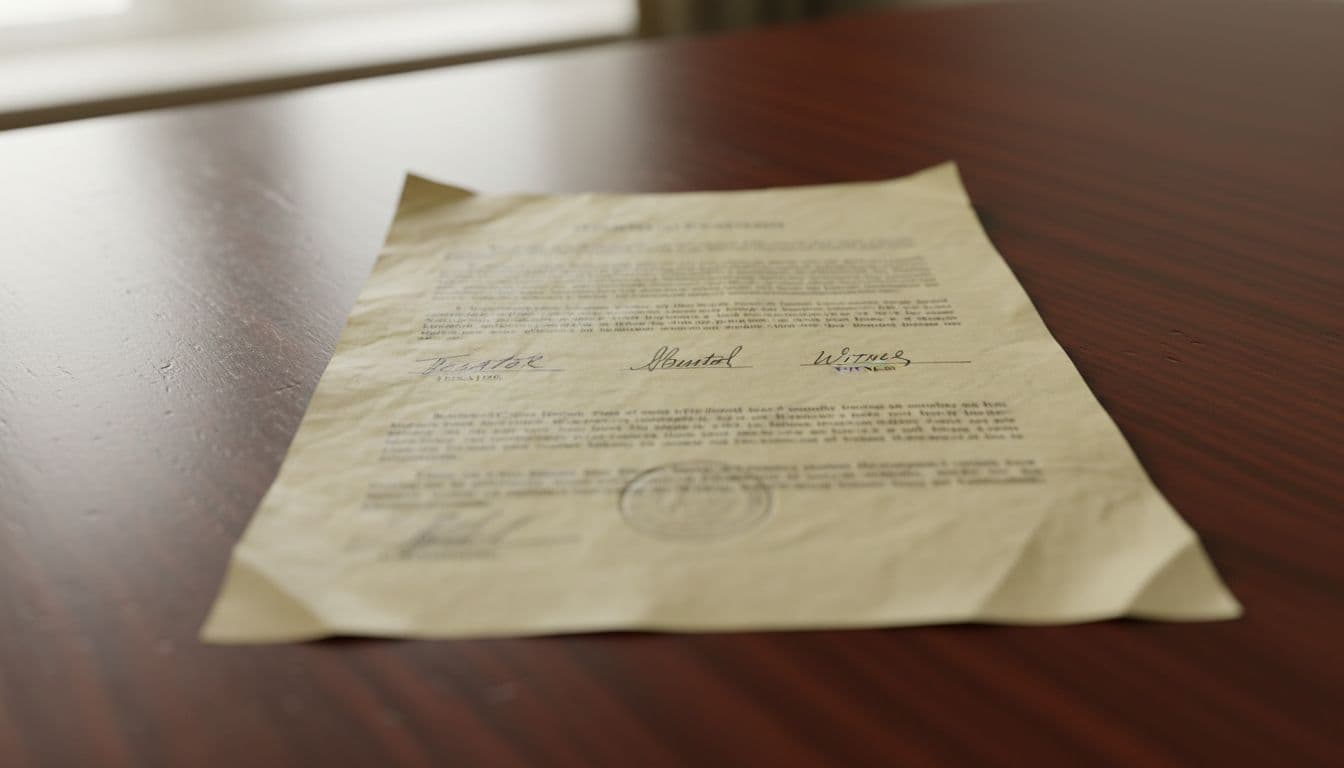 A copy can still be useful. It may show the contents of the will. It may support the family’s story. But in most cases, it doesn’t replace the missing original will.
This is where will custody becomes a big deal. If no one knows where the original was stored, or if it was kept carelessly at home, trouble starts fast.
Why courts treat the original as the main proof
The original shows the real signatures, dates, and witness details. That matters because probate is about trust. The court needs confidence that the document is genuine and was not changed later.
A photocopy is easier to question. Was it complete? Was it the last version? Was the original destroyed on purpose? Those doubts don’t disappear because the family has a scan in a phone album.
A copy may show what the will said. It usually does not prove the original still existed at death.
What a missing original can mean for the family
Once the original can’t be found, the estate often slows to a crawl. Bank accounts may stay frozen. Property transfers may stall. The executor and beneficiaries can end up stuck before they even begin.
And if family members disagree, things can get worse. One person may say the will existed. Another may say it was revoked. That kind of dispute adds time, cost, and stress.
What usually happens when a lost original will cannot be produced
In Malaysia, the common outcome is harsh but simple. If the original will cannot be produced, the estate may be treated, for probate purposes, as though there is no valid will.
 That usually means falling back on the rules of intestacy and moving into intestate administration instead of standard probate. For non-Muslims, the distribution of assets generally follows the Distribution Act 1958. For Muslims, inheritance is handled under Faraid principles. Either way, the law steps in when the original will is missing and can’t be proved.
How intestate distribution can change who inherits
This is where families get shocked. The people named in the will may not be the people who inherit under the law.
For a non-Muslim estate, shares usually go by legal order, spouse, children, parents, and other relatives, depending on who survives the deceased, governed by Succession Act principles or relevant local equivalents. So if the will left more to one child, a friend, a stepchild, or a charity, that plan may fall apart if the original can’t be accepted.
Why delays often happen during probate without the original will
Probate without the original will is rarely smooth. There may be extra affidavits, extra court questions, and arguments about whether the will was lost or intentionally destroyed.
If probate cannot proceed, the family may need to apply for letters of administration intestate instead. That means appointing an administrator, gathering more documents, and waiting longer. In practice, delays can stretch for months and sometimes much longer.
Can a copy of the will still be used in Malaysia?
Sometimes, yes. Easy? No.
A copy may help support a court application to the High Court, but families should not assume the court will accept it. There’s a presumption of revocation if the original will cannot be found, meaning the court assumes the deceased intentionally destroyed it. The safe starting point is this: the original will is usually required, and a copy on its own is often not enough.
What kinds of proof may help support the story
If the family tries to rely on a copy through an application for probate, supporting evidence matters to rebut the presumption. That may include a scanned copy of the will, proof of due execution, witness statements, the lawyer’s file, notes about signing, and records showing where the original will was kept.
If the will was prepared by a law firm, contact them early. The original may still be in custody. If it was stored through a formal will custody arrangement, that can make all the difference.
Why proving a missing will is often difficult
The court may want strong proof that the original was lost by accident, not destroyed by the deceased to cancel it. That is the hard part.
Fire, flood, misfiling, or a house move may explain a missing will. But explanations are not the same as proof. If the facts are thin, the court may refuse probate of the copy.
What the family should do right away after the original will is lost
Panic doesn’t help. A careful search does.
Start with a careful search and document check
Look in home files, locked drawers, safe deposit boxes, office cabinets, and any folder used for property or insurance papers. Check with the lawyer who drafted the will and the probate registry or legal archives. Search digital records too, not because a digital copy replaces the original, but because it may show dates, names, and storage history.
Collect names, dates, and all available copies
Write down when the will was signed, who witnessed it, and where the original was last seen. Gather copies, letters, emails, and estate papers. Small details can matter later, especially if the court asks how the will went missing.
Get legal advice before making assumptions
Don’t guess that the estate must follow the copy. Don’t assume the estate is automatically intestate either. The facts matter, and early legal advice from a probate or estate lawyer can save months of wrong turns. This may include preparing an affidavit of loss as part of the initial legal steps.
How to prevent a lost will from becoming a family crisis
The best fix is boring, but it works. Keep the original safe, make its location known, and review it when life changes.
 Keep the original in safe custody
A signed will should not be floating around in random drawers. Store it with a lawyer, a secure custodian, or another reliable arrangement. More importantly, make sure the estate trustee or close family knows where it is.
If the will needs updating and only small changes are required, use a codicil. Otherwise, follow a proper will-writing process so the final version is clear and traceable.
Review the will after major life changes
Marriage, divorce, children, buying property, selling property, and moving homes can all create gaps. A will that made sense five years ago may not fit today.
Reviewing the document is one thing. Keeping the latest original safe is the part people forget.
Frequently Asked Questions
What happens if the original will cannot be found in Malaysia?
The court presumes the will was revoked if the original is missing, often treating the estate as intestate. This means assets follow statutory rules like the Distribution Act 1958 for non-Muslims or Faraid for Muslims, potentially overriding the testator’s intentions and causing delays in probate.
Can a copy of the will be used for probate?
A copy may support a High Court application, but it’s rarely enough on its own due to doubts about authenticity and revocation. Strong evidence—such as witness affidavits, lawyer records, or proof of accidental loss—is needed to rebut the presumption and prove the copy reflects the final will.
What should the family do immediately after discovering the lost will?
Start a careful search of homes, safes, lawyers’ offices, and digital records, while documenting details like signing dates and witnesses. Collect all copies, emails, and related papers, then seek urgent legal advice from a probate specialist to avoid wrong assumptions and prepare affidavits.
How can a lost original will be prevented?
Store the signed original in safe custody with a lawyer, bank, or trusted custodian, and ensure family or executors know its location. Regularly review and update the will after life events like marriage or property changes, using codicils for minor edits to keep the latest version clear and secure.
Conclusion
A lost original will can turn a clear estate plan into a legal mess. In Malaysia, that often means delays, extra court steps, and sometimes distribution under the law instead of the deceased person’s wishes. Proving a copy in court often involves the balance of probabilities, or even proof in solemn form if the will is contested.
Families still have options, but they need to move fast. Search carefully, gather every record, and get legal advice before making assumptions. These steps can prevent family disputes.
The strongest will is not the one with the best wording. It’s the one the family can actually find when it matters.